You notice the first hot day of spring and think, I should call someone, but you put it off. Two months later the compressor seizes on a 98-degree afternoon and suddenly you are frantically searching for emergency AC repair near me. That stretch of avoidable panic is the exact problem seasonal tune-ups are designed to prevent. In Manor, TX, where summer heat ramps up quickly and humidity makes every broken system feel worse, a little preventive labor once or twice a year saves money, time, and comfort.
I have worked with homeowners and small businesses arranging service calls, reviewing technician reports, and weighing replacement versus repair choices. Over the years I have watched the same patterns repeat: a corroded contact, a dirty coil, low refrigerant quietly working the blower motor harder, followed by a catastrophic failure during a heat wave. Seasonal tune-ups intercept those cascading failures. This piece explains what a tune-up actually does, why it matters in the Manor climate, how it reduces the chance of needing emergency AC repair, and how to select a reliable provider — including why some people choose ATX Heating & Air Conditioning LLC.
Why tune-ups matter in Manor
Manor sits near Austin, which means hot summers, sudden heat spikes, and humid months that stress an air conditioner in ways that milder climates do not. A unit that works fine in March often has hidden issues that only show when the load increases. Small inefficiencies become big failures: a motor running a few degrees hotter shortens its life; a refrigerant leak left unchecked causes the compressor to overheat; a clogged condensate line leads to water damage and electrical shorts.
A tune-up is preventive maintenance tailored to those stress points. It is not just a quick visual inspection. A competent technician will measure pressures, check currents, clean coils, test electrical components, and evaluate airflow. When done regularly, these checks reveal trends — a slowly rising amp draw on the blower, shrinking refrigerant charge, or a contactor with pitted contacts — that predict failure before the system collapses on a record-hot day.
Common failure chains tune-ups stop
Failures rarely happen in isolation. One minor malfunction compounds another until the system trips or the compressor fails. Consider this real-world pattern I have seen many times: a dirty outdoor coil reduces heat transfer by a measurable percentage, often 10 to 30 percent depending on how dirty it is. The compressor runs longer to meet the thermostat set point, the start capacitor fatigues from repeated starts, the run capacitor weakens from constant load, and the current draw on the compressor rises. Higher current increases internal heat which accelerates insulation breakdown and leads to a locked rotor or burned winding. The result is a mid-summer emergency call and a bill that could be several times the tune-up cost.
Another familiar sequence involves poor drainage. Many condensate pan issues begin as a slow clog in the condensate line. Left alone, algae and debris block flow, water spills into the overflow switch, and the system shuts down to prevent water damage. Homeowners often discover this when water stains appear on the ceiling, or when the AC stops on a hot night. A tune-up that includes a condensate inspection and treatment prevents that scenario.
What technicians do during a seasonal tune-up
Not every company performs the same scope of work, so it helps to know the logical steps a thorough technician will take. A professional service visit typically includes an evaluation of both indoor and outdoor components. The technician will clean or replace the air filter, inspect electrical connections, measure refrigerant pressures, confirm proper thermostat operation, clean coils, check blower wheel and motor, test safety controls, and verify overall system airflow and static pressure. They may also lubricate moving parts where applicable, treat the condensate line, and offer recommendations about aging components.
Two short lists follow to provide a clear checklist you can use when discussing service with a provider. Each list is limited to five items for clarity.
A homeowner's pre-service checklist
- Note any odd noises, reduced cooling, higher utility bills, or water around the unit. Photograph the outdoor unit tag showing model and serial number if visible. Clear the area around the outdoor unit of debris and vegetation. Have your access instructions ready, such as gate codes or pets. Confirm whether your system is under warranty or a service plan.
What a quality tune-up includes from a technician
- Filter check and replacement as needed, coil cleaning, and condensate line inspection. Electrical component inspection, tightening, and testing of capacitors and contactors. Refrigerant pressure and temperature measurements with diagnostic tools. Blower assembly inspection, motor amp testing, and airflow assessment. Safety control tests and a written report with recommendations.
How tune-ups lower the risk of emergency repair
A tune-up reduces risk in three concrete ways: it restores efficiency, reveals early failures, and lowers peak stress during hot days. Efficiency gains are measurable. A clean coil and fresh filter improve heat transfer and airflow, which reduces run time and peak electrical demand. Even modest efficiency recovery of 5 to 15 percent can prevent repeated starts and reduce stress on key components.
Detecting early failures matters because many critical failures leave behind diagnostic clues. Wear on a capacitor, slight refrigerant undercharge, or a loosened electrical terminal are all issues that a skilled technician can find with meters and experience. Fixing these items on your schedule is cheaper and less disruptive than calling for emergency AC repair when the system dies during a heat wave.
Lowering peak stress is more subtle but important. In Texas summers, systems run at or near capacity for hours. A well-tuned system distributes that demand across components that are in good shape, rather than forcing a compromised element to shoulder more load until it fails. That is why routine maintenance is the most cost-effective way to avoid emergency service calls.
Cost math that supports tune-ups
People often hesitate because they want to avoid paying for something that might not seem necessary. But a quick look at likely costs clarifies the trade-off. A professional seasonal tune-up typically ranges from around $80 to $200, depending on what the service includes and whether the company is offering a promotional rate. Emergency calls on hot days can easily double or triple labor rates. A simple capacitor replacement after a breakdown can cost $200 to $400 in parts and labor; a compressor replacement is often $1,200 to $2,500 or more depending on system size and refrigerant type. Preventive maintenance that costs a fraction of that amount, done annually, significantly reduces the chance of those expensive outcomes.
There are also indirect costs: lost work productivity when the home is uncomfortable, food spoilage, and water damage from condensate overflows that can lead to mold remediation. Those are harder to quantify but real. In practice, regular maintenance often pays for itself by postponing major repairs and extending equipment life by several years.
Choosing a technician in Manor

Not all service providers are equal. Look for several specific traits when you call for a tune-up. First, the technician should carry tools for diagnostic measurements: clamp meters, manifold gauges, thermometers, and a static pressure kit. Someone showing up with only a screwdriver and a can of refrigerant is a red flag. Second, the technician should provide a written report listing findings, measured values, and prioritized recommendations. The report is the record that helps you spot recurring issues over time. Third, the company should be responsive; emergency AC repair calls spike during heat waves, so you want a provider that can schedule seasonal maintenance when you need it, not only when they have time.
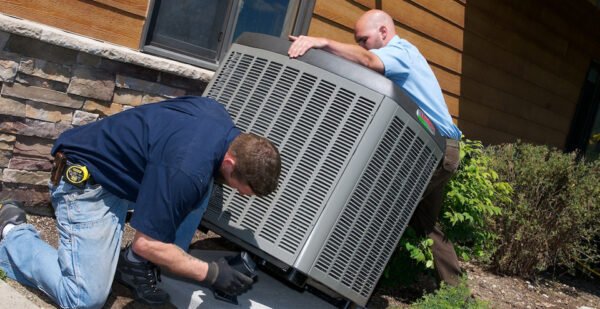
Many local customers in Manor look for companies that understand regional climate stresses and have experience with the brands and system types common in central Texas homes. ATX Heating & Air Conditioning LLC has a visible presence in the area, and people often find them by searching AC Repair in Manor TX or Ac installation in Manor TX. Whether or not you choose them, ask any company about their experience in Manor specifically, what their tune-up checklist includes, and how they document measurements.
A brief anecdote about timing and decision-making
I once worked with a family who delayed a tune-up because they had a newer system and believed it did not need service. On a 100-degree day their unit tripped and would not restart. The technician found a weakened start capacitor and an outdoor coil packed with grass and residue. The compressor had overheated and suffered heat-related damage; replacement was required. The final bill plus food spoilage and two nights in a hotel was four times what a routine tune-up would have cost. The family switched to a biannual maintenance schedule after that and reported stable bills and no emergencies for three summers.
Annual versus biannual tune-ups: trade-offs and recommendations
For many Manor homeowners, one tune-up per year, ideally in spring before the heat peaks, is sufficient. That visit readies the system for the heavy season. For older systems, units that run extended hours because of large homes or indoor humidity control needs, or for commercial systems under heavier load, two visits per year add value. The spring visit prepares the system for summer; an autumn visit checks cooling components after a season of heavy use and prepares the system for fall and winter cycles.
The trade-off is cost versus risk tolerance. If your system is newer and under warranty with a manufacturer-required maintenance schedule, follow the recommended service intervals. If the system is 10 years or older, or if you have detected performance decline, biannual tune-ups are worth the extra expense because the incremental preventive cost is small compared with possible mid-summer failures.
What to expect after a tune-up
A good service visit leaves you with a few clear things: a report of what was inspected and measured, any repairs performed, and recommendations for follow-up. Expect to see measured values such as refrigerant pressure, superheat/subcooling where appropriate, measured amp draw for the compressor and blower, and static pressure if airflow was tested. If the technician replaced parts, the invoice should list part numbers and warranty information. If they recommend future parts, they should prioritize them and explain the risk if deferred.
If you get a vague verbal summary or an invoice without diagnostic detail, ask for more. A transparent report helps you track components over time and prevents surprises.
How maintenance interacts with replacement and installation decisions
Maintenance is part of good stewardship, but at some point replacement makes sense. Tune-ups prolong life and prevent emergencies, but they cannot reverse age. Typical lifespan for a residential split-system air conditioner is roughly 12 to 15 years, though proper maintenance can extend that by a few years. When the technician documents increasing refrigerant leakage, multiple capacitor changes, and a compressor that operates at higher-than-normal current, those are objective signs that replacement might be more cost-effective than continued repairs.
When you reach that point, a quality provider will offer transparent guidance about options, sizing, and expected efficiencies. For those searching for Ac installation in Manor TX, compare quotes that include Seasonal Energy Efficiency Ratio values, estimated yearly operating costs, and clear warranty terms. Oversized units short-cycle, reducing comfort and increasing wear, while undersized units run continuously and underperform. Proper load calculations and a trustworthy installer make the difference.
How tune-ups AC maintenance in Manor TX help during emergencies
If an emergency does occur, having a maintenance relationship with a reputable contractor speeds resolution. Technicians who have serviced your system before arrive with familiarity, prior measurements, and sometimes with replacement parts matched to your model. That matters when everyone is trying to get service during a heat wave. When you can say, I have service records from last spring, the technician can often diagnose and repair more quickly than starting from zero.
Practical tips for scheduling and warranty compliance
Schedule tune-ups in the shoulder seasons. Spring is best, with a follow-up in fall for higher-risk systems. Avoid waiting until the first week of extreme heat when technicians are busiest; booking early guarantees a convenient slot and lowers the chance of emergency calls later. Keep the service records and invoices; many manufacturer warranties require documented annual maintenance to remain valid. Ask how the company documents service and whether they will send reminders for future visits.
Final persuasive point
Preventive maintenance is a decision about risk management. For a modest annual outlay you reduce the chance of expensive mid-summer failures, extend equipment life, and maintain comfort when it matters most. In Manor, where heat and humidity challenge air conditioners every year, tune-ups are not an optional luxury, they are a smart investment. If you want local help, search for AC Repair in Manor TX or emergency AC repair near me to compare providers, read recent reviews, and confirm they provide the diagnostic scope described here. If you are considering a service partner that already has local standing, ATX Heating & Air Conditioning LLC is one option many homeowners evaluate when they need reliable maintenance, repairs, or Ac installation in Manor TX.
Regular tune-ups do not eliminate every possible failure, but they turn sudden catastrophes into manageable repairs. That shift from crisis to maintenance is what keeps homes cool and families comfortable through those long Texas summers.
ATX Heating & Air Conditioning
13809 Theodore Roosevelt St., Manor, TX - 78653
(737) 406-8083
[email protected]
Website: https://atxheatingandac.com/